
The Allure of Casino Gambling
Casino gambling has fascinated individuals for centuries, creating an allure that draws people from all walks of life. The vibrant atmosphere, the sound of spinning reels, and the thrill of chance create an intoxicating environment. Many individuals find themselves captivated by the opportunity to win big, driven by a combination of excitement and hope, especially when it comes to fast withdrawal casino canada real money options that enhance their gaming experience. This allure is often romanticized in movies and literature, painting a picture of wealthy winners and glamorous lifestyles, but the realities of gambling can be far more complex than they appear on the surface.
One of the primary reasons people are drawn to casinos is the social aspect of gambling. Casinos offer a communal experience, where friends and strangers alike can come together to celebrate wins or commiserate over losses. This social dynamic is amplified by promotional events, live entertainment, and themed nights, making casinos not just places to gamble, but venues for social interaction. However, this social setting can also contribute to the normalization of gambling, leading some individuals to underestimate the risks involved and overlook the potential for addiction.
Moreover, casinos invest heavily in their ambiance to enhance the gambling experience. The use of bright lights, engaging sounds, and complimentary drinks creates an environment designed to keep players entertained and engaged. This carefully curated atmosphere can sometimes lead to the misconception that winning is more common than it actually is. While the experience may be exhilarating, understanding the underlying odds is crucial for realizing that gambling is ultimately a game of chance, where the house always has an edge, making it important for players to be aware of their surroundings and the realities of the games they play.
Common Misconceptions About Winning
Many people enter casinos believing they can consistently outsmart the house with strategies or systems that guarantee success. This misconception can lead to misguided decisions and unrealistic expectations. For instance, some players believe in “hot” and “cold” tables, thinking they can predict outcomes based on previous results. However, each game operates independently, and the odds remain constant, regardless of what has happened before. Understanding this concept is vital to avoiding the pitfalls of belief systems that do not hold true, as it can save players from significant financial losses.
Another widespread myth is the idea that certain games, like slots or roulette, can be beaten with the right approach. While there are strategies for skill-based games like poker, luck plays a much larger role in games that rely on random number generators. Players often overlook the fundamental principle that casinos use mathematical probabilities to ensure their profitability. Over time, the house always wins, making it essential for players to approach gambling with a realistic mindset that enables them to enjoy the experience without falling into the trap of false hope.

Additionally, some gamblers mistakenly believe that they can recover their losses by betting larger amounts, often referred to as “chasing losses.” This behavior can lead to significant financial strain and is a common characteristic of problematic gambling. It’s crucial for players to set limits and stick to them, embracing responsible gambling habits to ensure their experience remains enjoyable and does not lead to negative consequences. Acknowledging that losses are part of the game is essential for maintaining a healthy relationship with gambling.
The Impact of Gambling on Society
The social implications of gambling extend beyond individual experiences; they resonate throughout communities and economies. Many regions rely on casinos as a source of revenue and employment. The influx of tourism often generates substantial benefits for local businesses, such as hotels, restaurants, and entertainment venues, contributing significantly to economic growth. However, this relationship between gambling and economic prosperity can be dual-edged, as it also brings challenges related to gambling addiction and social issues that need to be addressed collectively.
Despite the benefits, it’s important to recognize the darker side of gambling. For a segment of the population, gambling can morph into a compulsive behavior that leads to financial, personal, and social struggles. This phenomenon necessitates the implementation of effective support systems to help those affected. Communities need to strike a balance between enjoying the economic advantages of casinos while also promoting awareness and education surrounding responsible gambling practices to mitigate the potential negative impacts.
Moreover, the influence of gambling on culture and lifestyle cannot be ignored. Movies, television shows, and advertisements often portray gambling as a glamorous and carefree pursuit, which can skew public perception. Such portrayals can contribute to a culture that downplays the risks associated with gambling, leading to increased participation among vulnerable individuals. Thus, it’s essential to foster an environment where responsible gambling is prioritized, ensuring that entertainment does not come at the cost of well-being and that everyone enjoys a safe gaming environment.
Regulations and Responsible Gambling
As awareness of the various aspects of gambling grows, so does the need for regulation aimed at protecting consumers. Internationally, many jurisdictions have implemented strict guidelines governing casino operations, including measures to ensure fairness and transparency. These regulations not only protect players but also help maintain the integrity of the gambling industry. By adhering to these rules, casinos can foster trust with their patrons, which is essential for sustainable business practices and their long-term success in the market.
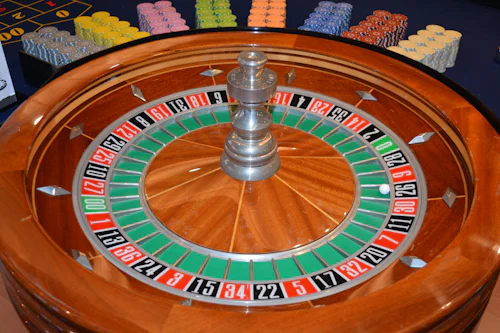
Responsible gambling initiatives have also gained traction, encouraging players to engage in safer gambling habits. Campaigns promoting self-exclusion options, limit-setting tools, and educational resources are becoming more common. Casinos often collaborate with organizations dedicated to gambling addiction prevention, highlighting their commitment to player welfare. This proactive approach can create an environment where gambling remains a form of entertainment rather than a source of distress, allowing players to enjoy themselves in a responsible manner.
Furthermore, many gambling establishments invest in training their staff to recognize signs of problematic behavior, allowing them to intervene when necessary. The implementation of these practices demonstrates a strong commitment to creating a safe and responsible gambling environment. Ultimately, the goal is to ensure that players can enjoy the thrill of the game without jeopardizing their financial stability and mental health, fostering a culture of accountability within the industry that can benefit everyone involved.
Conclusion: Understanding the Landscape of Gambling
In conclusion, the world of casino gambling is marked by a combination of myths, truths, and complexities that shape the experiences of players. While the allure of winning draws individuals into these vibrant spaces, understanding the realities of gambling is essential for ensuring a positive experience. From recognizing the house edge to acknowledging the social implications, players must approach gambling with a well-informed perspective that prioritizes enjoyment and responsibility, ultimately enhancing their overall experience.
As the industry continues to evolve, awareness and education surrounding gambling will remain crucial. By addressing misconceptions and promoting responsible practices, it is possible to enjoy the entertainment value of casinos while mitigating the risks associated with gambling. It’s a shared responsibility among players, operators, and regulators to create a balanced atmosphere where gambling can be a fun and safe activity that contributes positively to society.
For anyone interested in exploring the world of gambling, it’s vital to do so with caution and respect for the game. Engaging in thorough research, understanding the odds, and acknowledging one’s limits can lead to a more enriching experience. Ultimately, casino gambling should remain an enjoyable pastime, emphasizing fun and responsible engagement above all else, ensuring that players walk away with memories rather than regrets.